Surrey Dad Honoured as Dinosaur Paludohadros proudlovii Named
From Ewhurst Clay Pit to Global Science Headlines
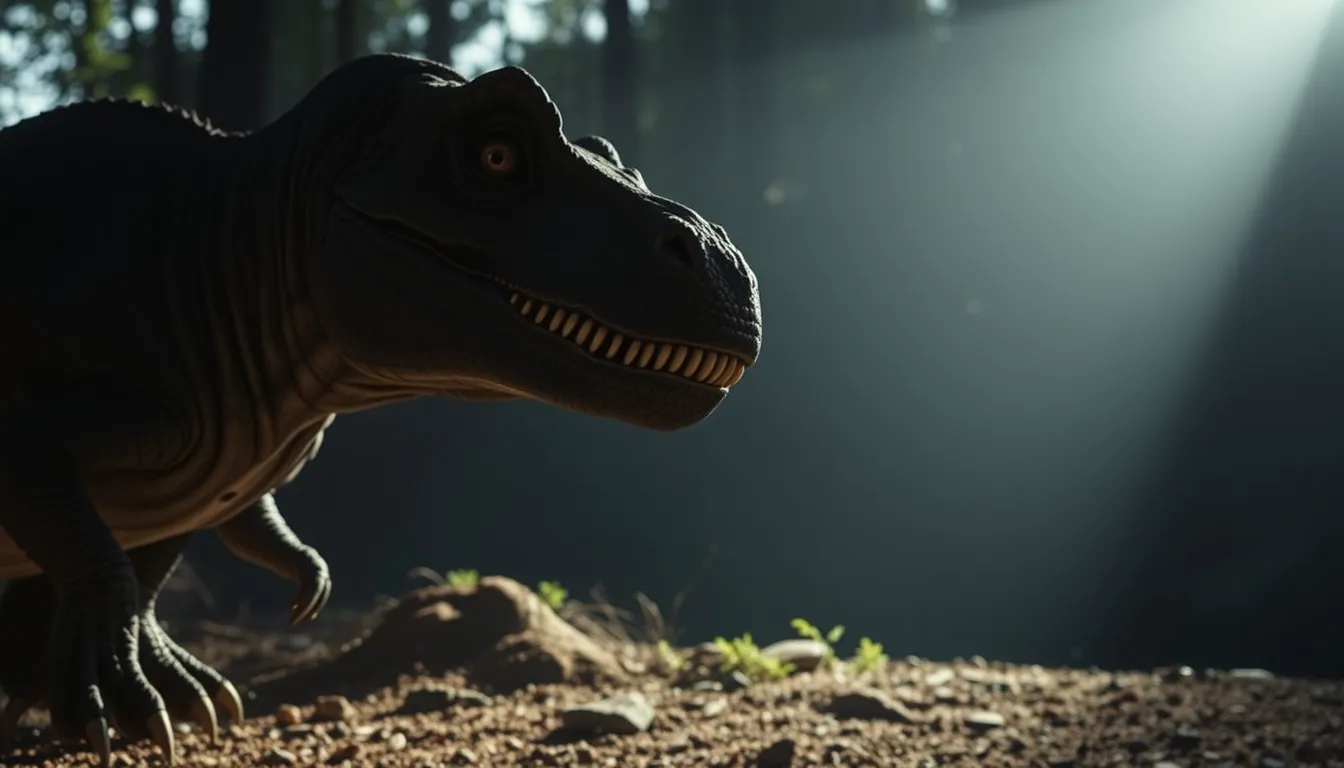
Anyone who has driven through Ewhurst will know the area has a long working relationship with the land beneath it. For generations, the brick and roof tile works have drawn clay from local pits, and that clay has built many of the homes and outbuildings that define our villages. Now the site has a new claim to fame. A dinosaur discovered there in 2001 has been formally named Paludohadros proudlovii, a new species and genus of iguanodontian that roamed southern England around 125 million years ago. The fossil was found while the quarry was being worked, and it was donated to the Natural History Museum in London. It is a reminder that the ground beneath our feet holds stories far older than any village street. The name itself carries local meaning. Palus is Latin for swamp, a nod to the muddy wetlands that once covered this part of the county. Residents who walk the footpaths near the works may now look at the clay banks with fresh curiosity. Because the Ewhurst works also gave its name to Baryonyx walkeri, found there in 1983, the site has become a rare spot for British palaeontology. It is a point of pride that deserves wider recognition across Surrey.

The Man Behind the Name and the Family Who Remembers Him
At the heart of this story is Will Proudlove, who rose through the ranks at the Ewhurst works to become its manager. He died at 35, shortly before the fossil was found, leaving behind a wife, Rachel, and two children. Speaking to BBC Radio Surrey, Rachel described her husband as fascinated by the dinosaur remains that had turned up on site over the years. She explained that each time a fresh layer of clay was removed, Will would check for anything resembling fossil bone. That habit of careful attention, she said, was part of who he was. Rachel called the honour a huge one and described it as a lasting legacy for her husband. Their family is now sharing that legacy with the public, and the naming gives a local family a permanent link to one of the most significant finds in recent southern English palaeontology. The Natural History Museum scientists who studied the remains also deserve credit. Their 2023 redescription of earlier specimens helped separate this animal from older categories, leading to several newly named iguanodontians in recent years. For Ewhurst residents, the story is personal as well as scientific, because it shows how everyday work on a local site can contribute to global knowledge.
What Surrey Residents Should Know and Watch Next
For most of us, the immediate takeaway is a sense of local pride. Yet the story also raises practical points for anyone living in or around Ewhurst and the wider Guildford area. Heritage and building materials are closely connected. Many older homes here were built with bricks and tiles from regional works, and owners planning a loft conversion or loft refurbishment often want reclaimed or matching materials. Local Guildford builders can advise on sourcing period-appropriate tiles and checking whether a roof can carry the extra load of a loft rebuilding project. If you are planning work on a historic property, it is worth asking early about structural surveys and any local planning considerations, particularly in conservation areas. Looking ahead, the Natural History Museum is expected to keep studying the specimen, and further research could refine what we know about the animal’s size and life. Juvenile remains like this one suggest the species may have grown to twice its estimated size. If you have a local story or a photograph of the Ewhurst site, BBC Surrey welcomes tips via its Facebook, X and Instagram channels, by email to [email protected], or by WhatsApp on 08081 002250. Keep an eye on the museum’s announcements, too, as Surrey’s prehistoric story is only beginning to be told.