Couple launches Revive the Riviera campaign to save Weymouth hotel
Why the Riviera Hotel matters to Weymouth
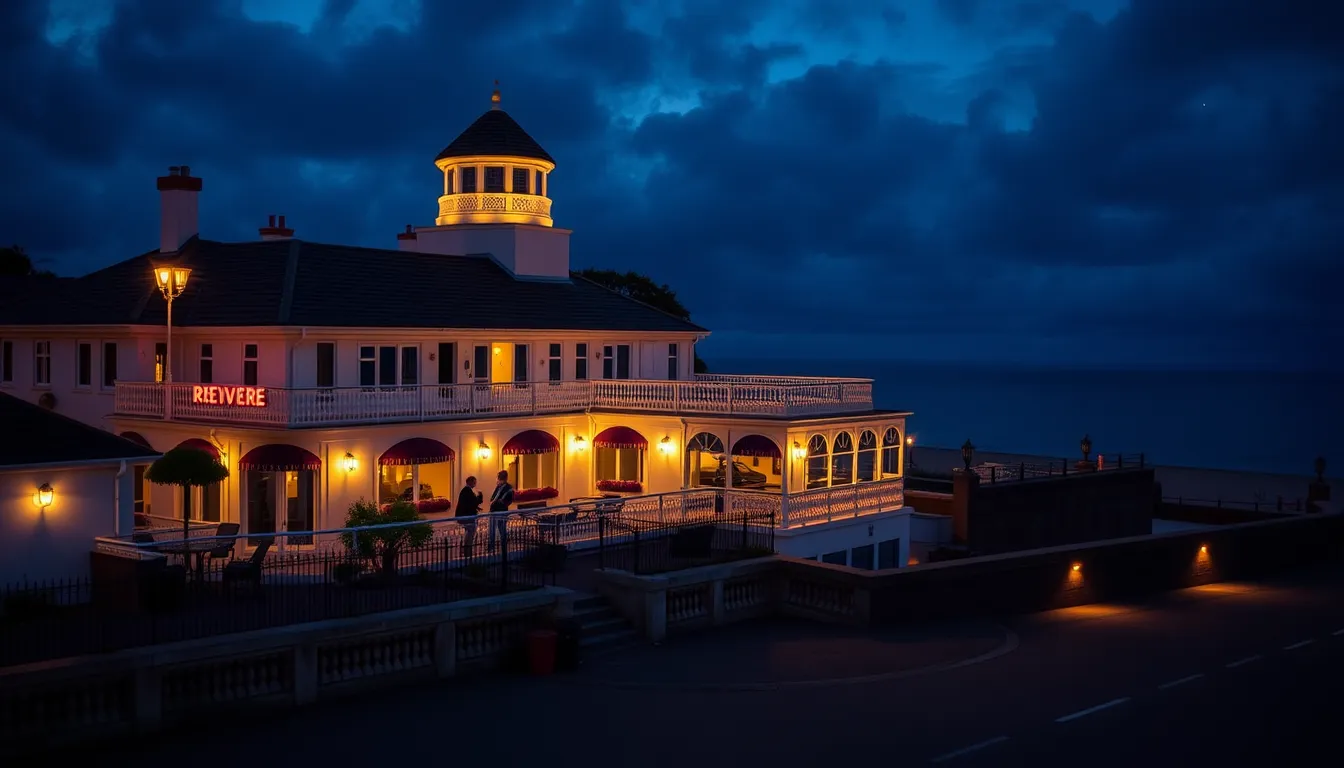
Anyone who has walked along the seafront in recent years will have noticed the Riviera Hotel standing empty, its windows boarded and its future uncertain. Built in 1936 and listed at grade II, the building is more than a shell on the front. It is a piece of the town’s architectural story, a reminder of the era when Weymouth was a fashionable resort drawing visitors from across the country. For many of us who grew up here, it has been part of the skyline for as long as we can remember.

The hotel closed in 2022 after storm damage, and the years since have been hard on the building. Salt air, wind and rain do not forgive neglect, and a listed structure left unused can deteriorate quickly. Grade II status means the building is protected, so any plans to change it must respect its historic character. That protection is both a safeguard and a complication. It keeps the building’s identity intact, but it also means repairs and redevelopment require careful, and often costly, planning.
For residents, the Riviera is a gateway to the wider question of what we want our seafront to look like. An empty hotel draws down the look of the whole promenade, and every month it stays closed is a month the community misses out on jobs, footfall and the kind of lively frontage that keeps visitors coming back. Whether the building is restored as a hotel, converted into homes or given a new use, local people have a real stake in the outcome.
The couple behind the campaign and who else is involved
The campaign has a personal heart. Tess and Des Shephard married at the Riviera in 2018, and the building holds a special place in their memories. Tess now leads the Revive the Riviera campaign, which is seeking new ownership for the site. The couple now live near Guilford in Surrey, but they say they hope to move back to Weymouth one day. Tess has described the hotel as a lovely building, and her message is simple: she wants to see it cared for rather than left to decline. The campaign has so far gathered around 60 people in support, a modest start that could grow quickly if local residents get behind it.
The building’s ownership is at the centre of the problem. The Riviera was bought in 2009 by a company called Bowleaze Limited, which is linked to overseas owners. The BBC was unable to reach the current owner for comment, so the reasons behind the long delay remain unclear. Local MP Lloyd Hatton has said residents are frustrated, arguing that the town is paying the price for a building that is unloved and unused. He has said his priority is securing a sale to new owners and has pointed to interest from local businesses, which is encouraging news for anyone hoping the hotel will return to local hands.
For local businesses, a revived Riviera could mean new trade for suppliers, tradespeople and hospitality workers. Builders and conservation specialists would be needed for any restoration, and a project of this scale could create work for firms across Dorset and beyond. Even contractors from as far afield as Guilford builders could find themselves bidding on a listed-building project of this kind. Smaller jobs, such as a loft conversion or loft rebuilding, are a useful reminder of how specialist heritage work can be, and that skilled local firms will be essential to any successful revival.
What residents can do and what to watch next
If you care about the Riviera’s future, there are practical steps you can take. Start by following the Revive the Riviera campaign and adding your name to the support list, because the more people who back a project, the harder it is for decision-makers to ignore. If you have a view on what the building should become, whether a hotel, a mix of uses or community space, put it in writing to your councillors and to Weymouth Town Council. Public feedback often shapes how planning officers and councillors weigh up a site, and comments from residents carry weight when they are specific and constructive.
You can also contact your MP or local ward councillors and ask what action is being taken. Councils have powers to act when a building becomes a safety risk, including requiring owners to make a property secure or, in extreme cases, taking emergency steps themselves. Asking whether those measures have been considered is a reasonable question for any resident to raise. If you own a property nearby or run a business on the seafront, sharing how the empty hotel affects you can make the case more concrete.
In the coming months, watch for any announcement of a sale, a change of ownership or planning application. Keep an eye on whether the council issues formal notices about the building’s condition, and whether surveys are carried out to assess the damage from the storm. Any future proposal will need to balance heritage protection with the practical realities of restoring a seafront building. Whatever happens next, the Riviera’s fate will say a lot about how Weymouth values its historic buildings, and it is worth making your voice heard while the decisions are still being made.
Source: Couple campaigns to save their wedding venue hotel in Weymouth