
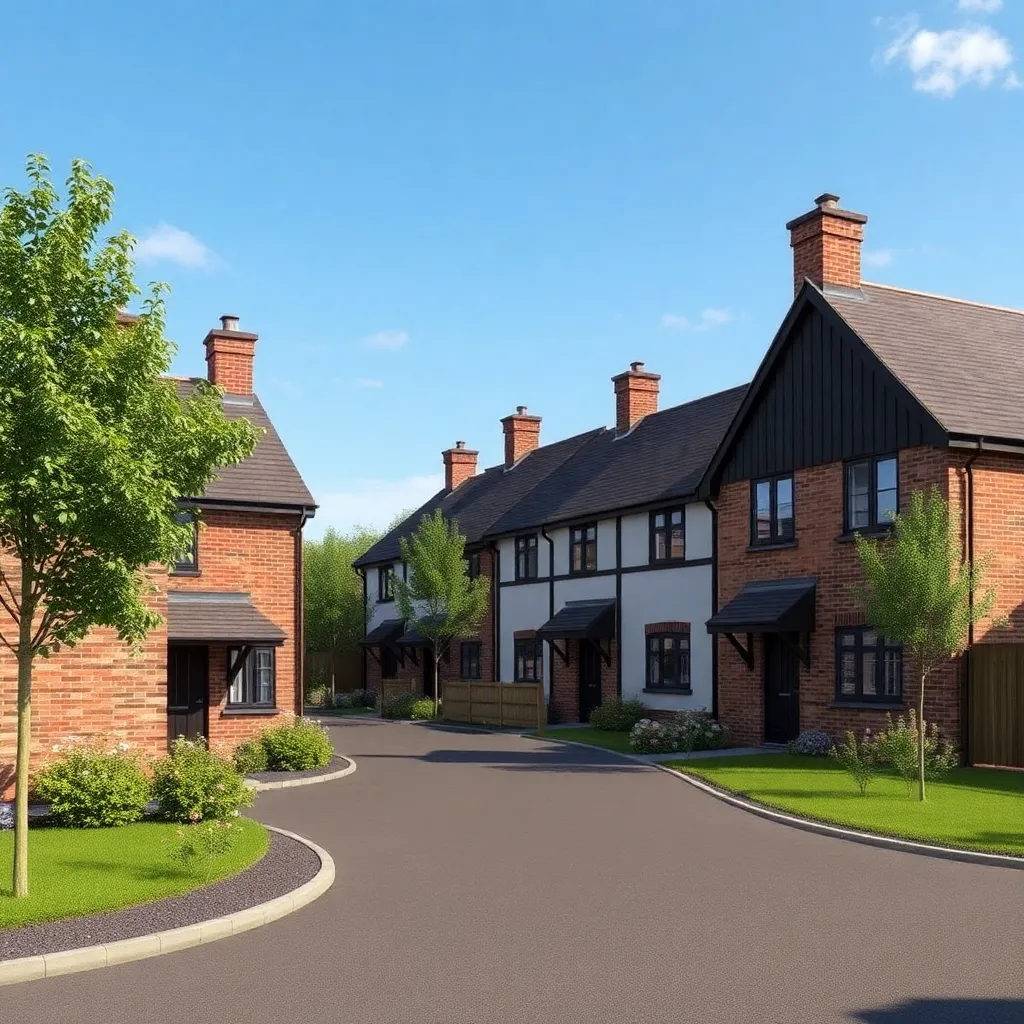
Surrey Stables Transformation: 18 New Village Homes Proposed
A significant development proposal is reportedly under consideration in Surrey, focusing on the transformation of existing stables into a new residential estate. This initiative involves the potential construction of 18 new homes, strategically located on the periphery of a village. The core definition of this project revolves around urban regeneration and addressing local housing demands through the repurposing of underutilized land and structures.

The potential benefits of such a development are multifaceted. Primarily, it offers a tangible increase in housing stock, which could help alleviate pressure in an area often facing demand for new residences. New homes can attract younger families or professionals, potentially revitalizing local services and businesses. Furthermore, replacing old stable buildings might remove disused or dilapidated structures, improving the aesthetic appeal of the area and potentially reducing maintenance burdens. There could also be economic benefits through construction jobs and increased local spending from new residents. Modern, energy-efficient homes could also contribute to broader sustainability goals.
However, the proposal also carries inherent risks and challenges. A primary concern for residents often centers on the impact on the existing village character and infrastructure. Introducing 18 new homes could significantly alter the population density and the rural feel of the village, potentially leading to a loss of green space or historic ambiance. Infrastructure, such as roads, schools, and utilities, might face increased strain, requiring upgrades that may not be immediately funded or planned. Environmental impacts, including habitat disruption or increased runoff, are also common considerations, especially on the edge of a village where natural boundaries might be blurred. Traffic congestion, noise pollution during construction, and the potential for overlooking existing properties are other frequently cited drawbacks in similar developments. Local opposition often arises from these concerns, particularly regarding preserving local heritage and community identity.
While no specific examples are detailed in the provided source, similar developments across Surrey and the UK often involve detailed planning consultations, public engagement, and environmental impact assessments. These processes aim to balance the need for housing with the preservation of local amenities and natural landscapes, often leading to compromises on the final number or design of units. The outcome of this particular proposal will likely depend on how these various benefits and risks are weighed by planning authorities and the community.