Southeast’s Drought Crisis: What Local Residents Must Know Now
Two Months Without Rain: How the Drought is Reshaping Our Landscape
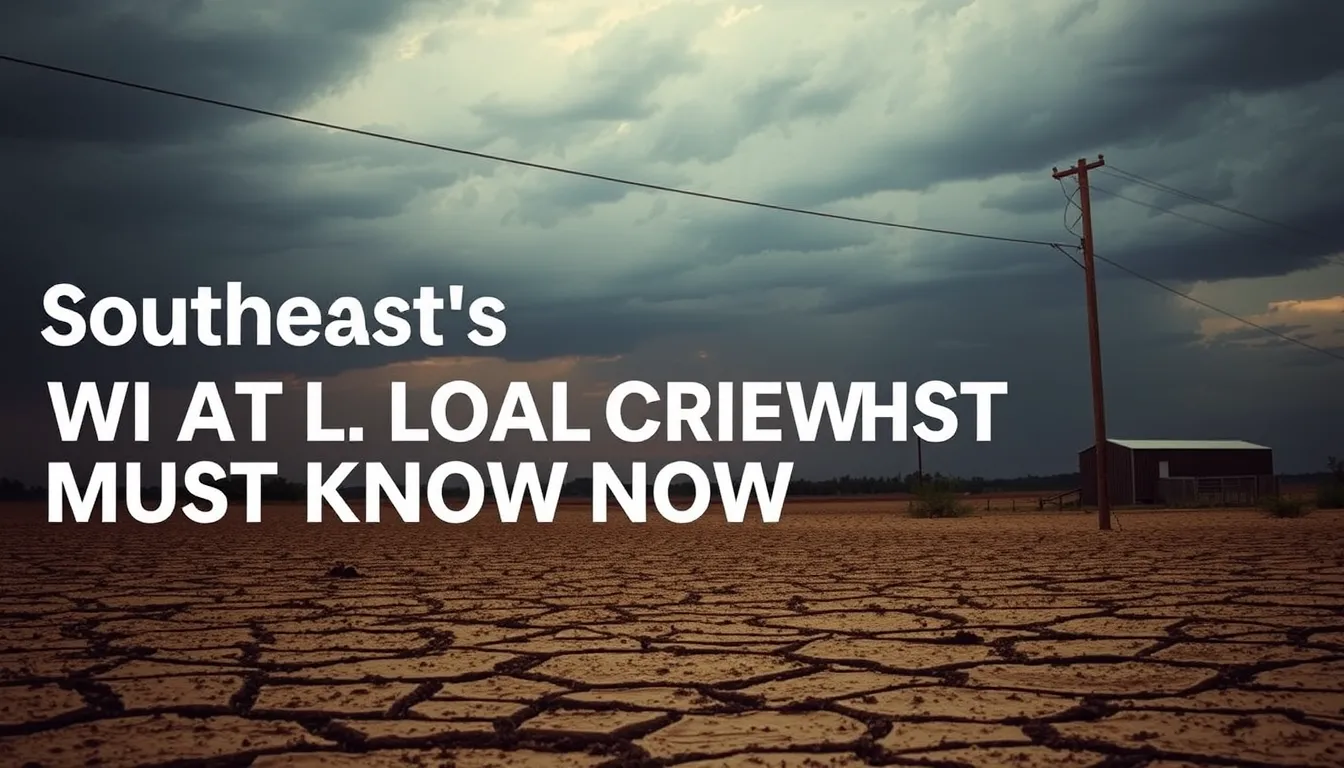
The Southeast is facing an unprecedented dry spell. Aerial photography has laid bare what residents across Kent, Sussex, and Surrey have witnessed firsthand: landscapes once verdant are now brown, parched, and struggling. Over eight weeks without meaningful rainfall has created conditions not seen since records began nearly two centuries ago. The Wisley weather station in Surrey recorded a particularly stark statistic—60 consecutive days without rain during peak summer. This isn’t merely cosmetic damage to our neighbourhoods. Rivers are dropping to concerning levels, wetland ecosystems that support local wildlife are shrinking, and the visible impact on green spaces throughout our communities is undeniable. From the manicured gardens at Hever Castle in Kent to ordinary suburban gardens across Guilford, Crawley, and Brighton, the strain is visible everywhere. Residents who’ve lived here for decades say they’ve never seen conditions like this. The National Drought Group now classifies 70% of England as officially in drought, with the Southeast among the hardest-hit regions. What started as an unusually hot summer has evolved into a genuine environmental challenge affecting everything from water supply to fire risk across our communities.

Hosepipe Bans, Water Restrictions and What Your Household Should Expect
Many of us have already felt the impact through hosepipe bans implemented across various water company regions. These restrictions mean you cannot use garden hoses to water plants, wash cars, or fill swimming pools—measures that may seem inconvenient but reflect genuine scarcity in our water supply. Not all households face identical restrictions, as different water companies operate across the Southeast, but the pattern is clear: demand far exceeds supply. For homeowners managing properties with gardens or outdoor spaces, this creates practical challenges. Those undertaking home improvements like loft conversion or loft refurbishment projects should also note that water consumption for construction purposes may be restricted. Local builders, including established firms like Guilford builders, report adapting their practices to comply with conservation measures. Businesses relying on water—from garden centres to car wash services—are experiencing significant economic pressure. The restrictions aren’t expected to ease quickly. Even when rain returns, rebuilding water reserves takes considerable time. Residents should prepare for potentially extended restrictions by adopting water-saving habits now: shorter showers, collecting rainwater where permitted, and reconsidering irrigation systems for gardens. Check with your specific water company to understand which restrictions apply to your postcode and what penalties exist for non-compliance.
From Wildlife to Wildfires: The Broader Community Consequences We Must Address
Beyond garden concerns and water bills lies a more serious issue: environmental and emergency service implications. Local wildlife, particularly species dependent on consistent water sources, faces genuine survival challenges. River systems supporting wetlands across our region are declining, disrupting ecosystems that communities have worked to protect. Farmers have begun rationing winter food supplies for livestock—a troubling indicator of agricultural strain in Kent and Sussex. Perhaps most immediate is the wildfire risk. Emergency services issued repeated warnings throughout summer about dangerous fire conditions, with even outdoor barbecues and garden activities presenting hazard risks. This isn’t theoretical danger; parched landscapes burn readily, and our communities’ emergency services have stretched resources managing incidents. However, there’s reason for cautious optimism. Experts note that once substantial rainfall returns, recovery occurs relatively quickly. Mediterranean plants thriving in the heat will remain, and grass bounces back rapidly. Scientists emphasize that understanding climate patterns—recognising we’re experiencing more intense summers following wet winters—helps communities adapt. Local residents can take action by supporting water conservation initiatives, checking on elderly neighbours, and staying informed about fire safety protocols. Councils and community groups are coordinating resources. Watch for updates from your local authority regarding drought support schemes and environmental protection measures. This challenge requires neighbourhood-level cooperation and long-term thinking about sustainability.
Source: Drone images reveal parched landscapes in Kent, Sussex and Surrey