
How should homeowners approach the task of selecting quality materials for their loft conversion while maintaining cost-efficiency?
Complying with Building Regulations
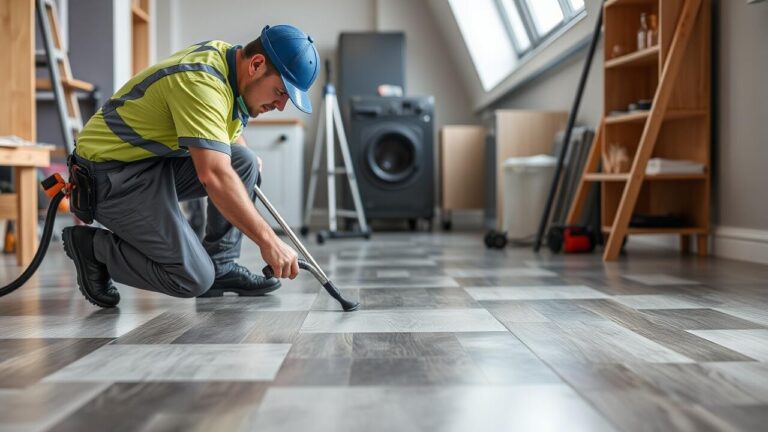
Homeowners undertaking a loft conversion must be aware of the necessary building regulations that govern such projects and quality materials. These regulations ensure structural safety and energy efficiency, addressing aspects like fire safety, insulation, and ventilation. Before commencing any work, it is advisable to consult with local authorities or a qualified professional to confirm compliance. Incorporating Flooring Services into the project can not only ensure adherence to these regulations but also enhance the overall quality and functionality of the new space.
In addition to adhering to building regulations, it is essential to secure any necessary planning permissions prior to starting construction. Homeowners should research local policies, as they can differ significantly between regions. Engaging experienced contractors who offer specialised Flooring Services can provide valuable insights into which materials and designs align with both functional goals and regulatory requirements, ensuring a smooth progress throughout the conversion process.
Understanding Legal Requirements for Loft Conversions
Homeowners must navigate a variety of legal requirements when considering a loft conversion. Planning permission may be necessary, particularly for larger projects or those that alter the exterior appearance of the property. It is crucial to consult local regulations, as these can vary significantly depending on the area. Additionally, building regulations must be adhered to, ensuring safety and compliance with structural standards. Engaging a qualified contractor with experience in flooring services can greatly aid in understanding these requirements and ensuring that all aspects of the build meet necessary codes.
Another important aspect is ensuring that the loft conversion complies with fire safety regulations. Proper escape routes and adequate fire-resistant materials should be incorporated into design considerations. Homeowners must also pay attention to the structural integrity of the existing home, as modifications could affect stability. By involving professionals familiar with both the building process and legal requirements, homeowners can simplify the complexities of compliance. This step not only helps in avoiding potential legal issues but also provides peace of mind throughout the renovation process.
Energy Efficiency Considerations
When planning a loft conversion, energy efficiency should be a primary consideration. The choice of materials plays a crucial role in ensuring optimal insulation and reducing energy consumption. Homeowners may opt for insulated plasterboard and high-performance insulation materials to keep heat within the space. Proper ventilation systems should also be incorporated to maintain air quality and temperature regulation, contributing to overall energy efficiency. Seeking expert advice or professional help can ensure that the right choices are made, enhancing the loft’s sustainability and comfort.
In addition to insulation, the selection of energy-efficient flooring options is vital. Homeowners can explore sustainable materials that not only improve thermal performance but also offer durability. Flooring Services can assist in identifying suitable choices such as cork or bamboo, which provide natural insulation properties. Investing in these materials can lead to long-term savings on heating costs while adding value to the home. Ensuring that all aspects of the loft conversion support energy efficiency will contribute to an environmentally friendly living space.
Selecting Materials that Enhance Insulation
When selecting materials that enhance insulation for a loft conversion, it is essential to consider the thermal performance of insulation products. High-quality insulation materials, such as mineral wool, rigid foam boards, and spray foam, can significantly improve energy efficiency by reducing heat loss. Homeowners should pay attention to the R-value of these materials, as this indicates their effectiveness at resisting heat flow. Employing materials with a high R-value will contribute to a warmer living space during colder months while also providing comfort during warmer conditions.
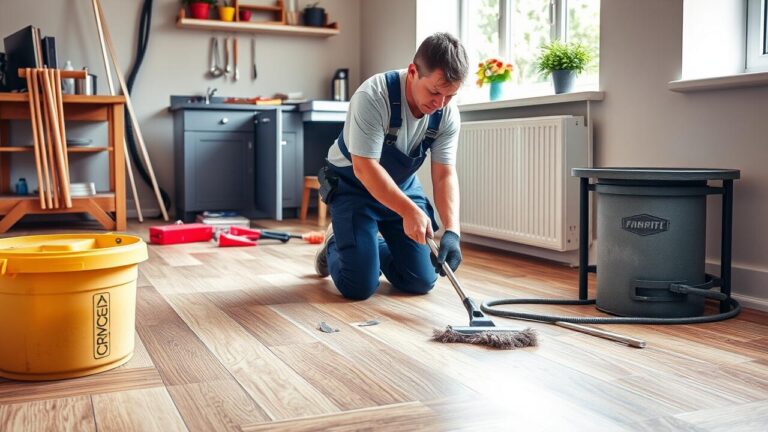
Flooring services play a critical role in ensuring that insulation is not compromised in the loft. The choice of flooring material can impact the overall thermal performance of the loft conversion. Carpets, for example, offer added insulation compared to harder flooring options. Therefore, it is advisable to select floor coverings that not only match aesthetic preferences but also contribute to overall insulation. Investing in quality flooring alongside proper insulation materials can create a well-balanced environment, making the loft more comfortable and energy-efficient.
Aesthetic Considerations in Material Choice
Selecting materials that harmonise with the existing design of a home is crucial for achieving a cohesive look. Homeowners should consider the overall architectural style of their property. Using materials that complement the original features can create a seamless transition between the loft conversion and the rest of the house. For instance, if the home has traditional wooden beams, incorporating similar wood finishes can enhance visual continuity.
Flooring Services play a significant role in the aesthetic appeal of a loft conversion. The choice of flooring material can drastically alter the perception of space. For a contemporary feel, sleek laminate or polished concrete may be appropriate, whereas natural wood or carpet might suit a more traditional approach. Additionally, sourcing materials that reflect the desired interior scheme will contribute to a harmonious environment, offering an inviting atmosphere that aligns with the homeowner’s vision.
Harmonising Materials with Existing Home Design
When selecting materials for a loft conversion, it is essential to consider how they will blend with the existing architecture of the home. The choice of colours, textures, and overall aesthetic should complement the current design elements to create a cohesive look. Homeowners may want to take cues from features that are prominent in other areas of the house. Incorporating similar styles or finishes can help to maintain a sense of unity, ensuring that the new space feels like a natural extension rather than an isolated addition.
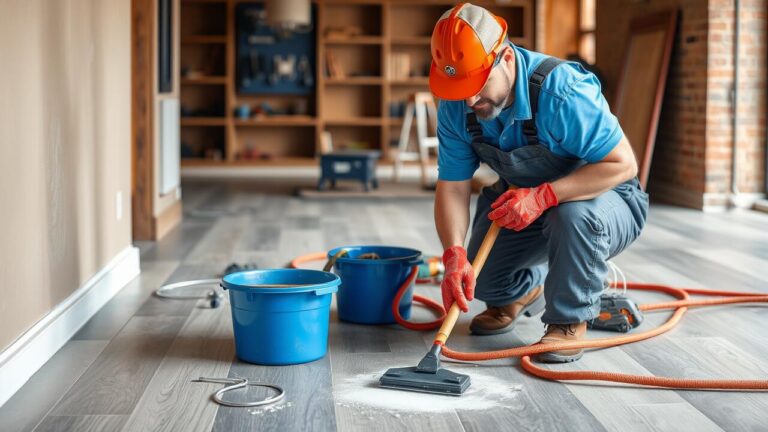
Additionally, the selection of flooring can dramatically impact the visual flow between rooms. Opting for Flooring Services that offer materials matching or harmonising with the existing home can enhance this effect. Whether choosing hardwood, tiles, or carpets, consistency in flooring choices throughout the property can bridge the old with the new. This thoughtful integration fosters an inviting atmosphere and supports the home’s overall character, providing both function and visual appeal.
FAQS
What are the key factors to consider when selecting materials for a loft conversion?
Homeowners should consider factors such as compliance with building regulations, energy efficiency, durability, aesthetic appeal, and cost. It’s essential to choose materials that not only meet legal requirements but also enhance the overall value and comfort of the home.
How can I ensure that the materials I choose comply with building regulations?
To ensure compliance, homeowners should consult local building codes and regulations, which may vary by location. It’s advisable to work with a qualified architect or builder who is familiar with the legal requirements for loft conversions in your area.
What materials are best for improving energy efficiency in a loft conversion?
Materials with high insulation properties, such as insulated roof panels, double-glazed windows, and energy-efficient lighting, are ideal for enhancing energy efficiency. Additionally, using sustainable materials can contribute to lower energy costs and a reduced carbon footprint.
How can I find cost-effective materials without compromising quality?
Homeowners can seek out reputable suppliers for bulk discounts, consider alternative materials that offer similar aesthetic and functional benefits at a lower cost, and explore second-hand or reclaimed materials. It’s also valuable to compare prices and seek recommendations from professionals in the field.
Should I prioritise aesthetics over functionality when selecting materials for my loft conversion?
While aesthetics are important for harmonising the loft conversion with the existing home design, functionality should not be overlooked. It is best to strike a balance between both, selecting materials that enhance the visual appeal while also being practical, durable, and energy-efficient.