Guildford Landmark Restaurant’s Uncertain Future
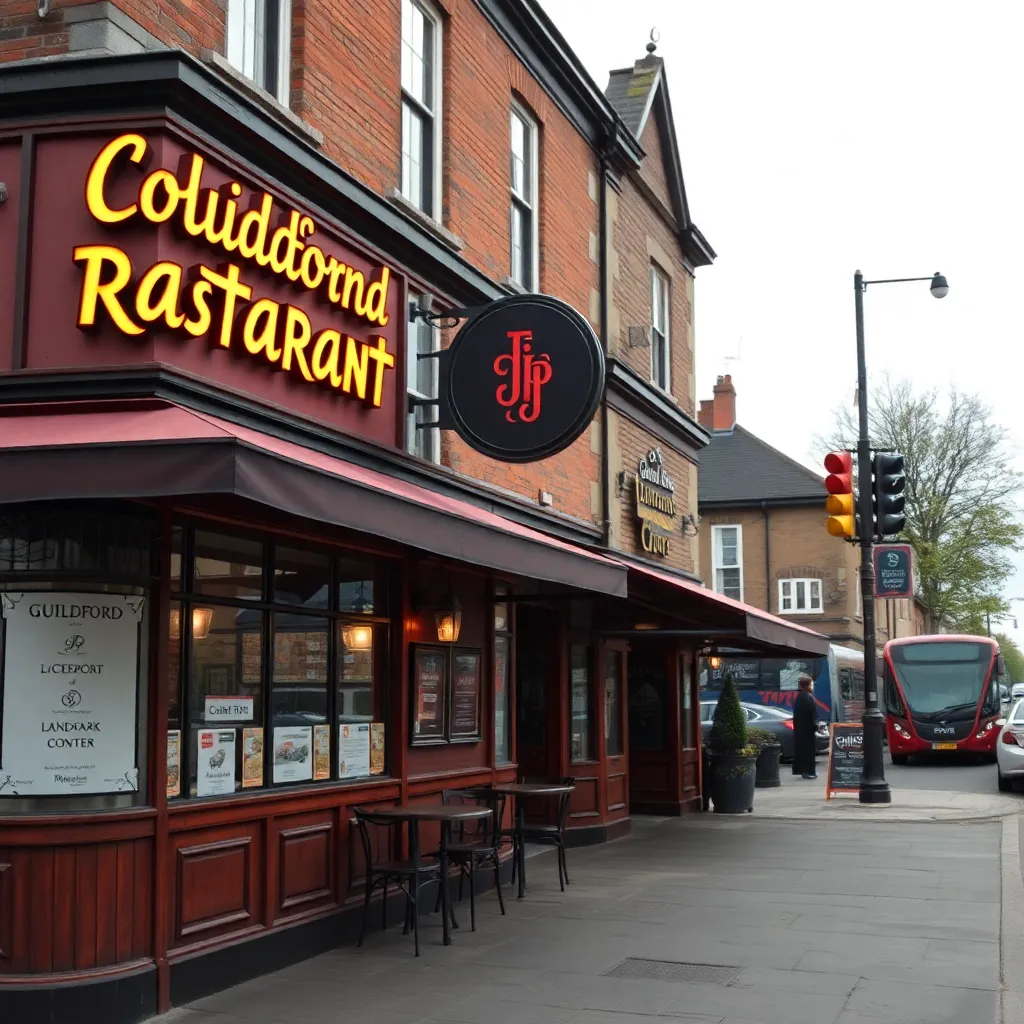
The future of a prominent, landmark restaurant site in Guildford remains shrouded in uncertainty, despite recent efforts to visually improve its exterior. The situation, as highlighted by the ongoing dereliction, underscores a common challenge in urban regeneration: how to breathe new life into significant but disused properties. A derelict site, by definition, is a piece of land or property that has been abandoned and is in a state of disrepair, often becoming a blight on the landscape. In this instance, the Guildford restaurant, a once-cherished establishment, now stands empty, a stark reminder of its past vibrancy contrasting with its current decay.

The risks associated with prolonged dereliction are multifaceted. Economically, a vacant landmark represents lost potential revenue, not only from the business itself but also from reduced footfall for surrounding shops and services. Such sites can also depress property values in the vicinity and deter new investments. Socially, derelict buildings can become safety hazards, attracting vandalism, squatting, or other antisocial behaviors, thereby eroding community morale and creating an unwelcoming atmosphere. Environmentally, they can become neglected spaces, contributing to urban decay and visual pollution, despite the superficial “facelift” in this case.
Conversely, the benefits of successfully redeveloping such a site are substantial. Reinvigorating a landmark property can serve as a catalyst for broader urban regeneration, injecting economic vitality through job creation, increased local spending, and enhanced tourism. It can restore community pride, preserve historical architecture (if the building has heritage value), and transform a negative space into a positive asset. The article implicitly suggests that the “facelift” was perhaps an attempt to mitigate some of the visual risks, yet without a clear plan for occupancy, its benefits are limited. The continued uncertainty surrounding this specific Guildford restaurant therefore highlights the complex interplay of investment, planning, and community vision required to move a derelict site from abandonment to active use, emphasizing the need for decisive action beyond cosmetic improvements to unlock its true potential for the town.