Guildford Clean Air Zone Plans Rejected by Borough Council
The Decision and Its Impact on Guildford Town Centre
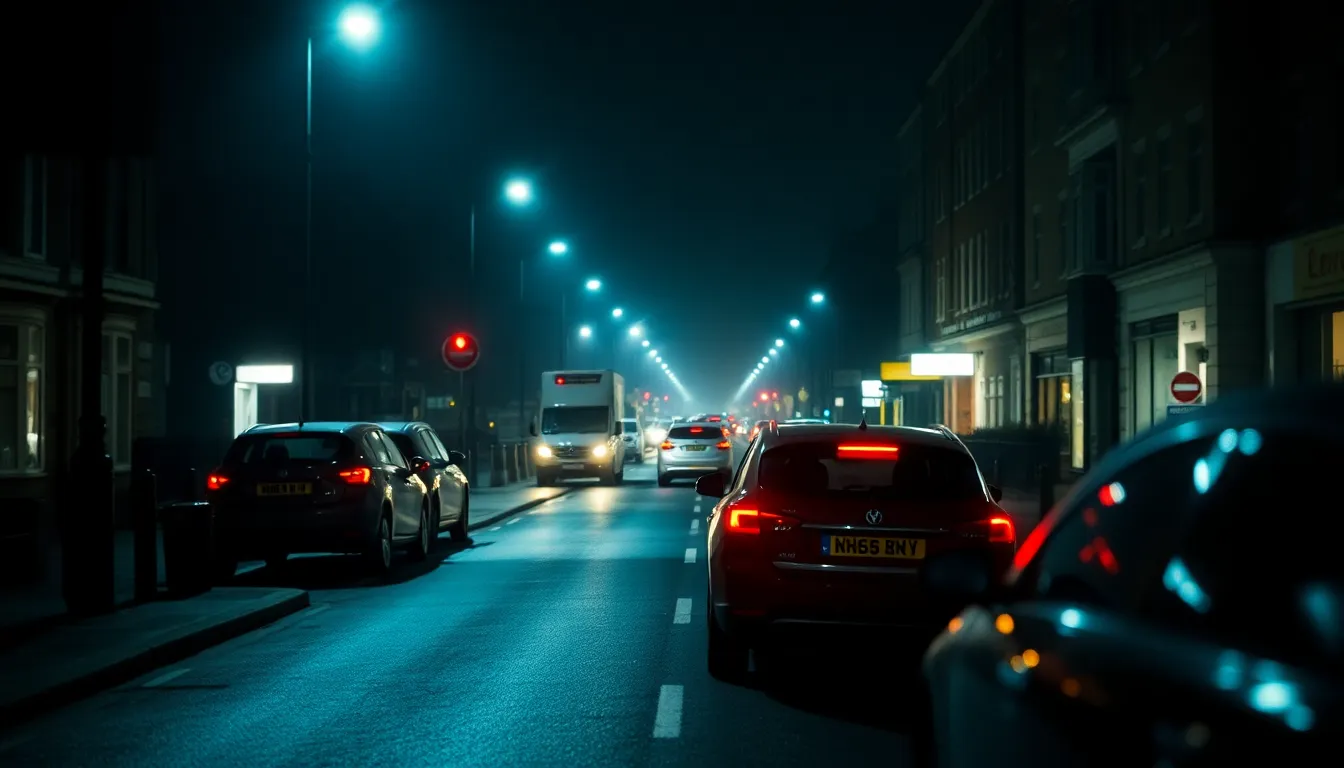
Guildford Borough Council’s cabinet recently rejected plans for a clean air zone (CAZ) in our historic town centre. While air quality remains a pressing concern along bustling thoroughfares like Bridge Street and Onslow Street, councillors agreed that the hefty financial burden of implementing a charging zone would heavily outweigh the benefits. For local drivers who regularly navigate the town centre to access the Friary Centre or the cobbled High Street, this decision brings immediate relief. A clean air zone would have mirrored London’s ULEZ, penalising older vehicles and hitting local pocketbooks during an already challenging economic climate. Instead of a blanket charge, the council is pivoting toward targeted interventions at known pollution hotspots. This means we will see localized traffic management and renewed support for active travel, such as cycling and walking infrastructure, rather than a sweeping toll. Local commuters can breathe a sigh of relief for now, but the pressure to clean up Guildford’s air has not dissipated.
What This Means for Local Businesses and Traders
The rejection of the clean air zone is particularly welcome news for Guildford’s independent business sector and mobile workforce. Local tradespeople, including trusted Guilford builders who rely on vans and heavy transit vehicles to deliver materials, were deeply concerned about daily charges. For instance, those undertaking a major loft conversion or home renovation in residential neighbourhoods like Merrow or Charlotteville would have faced soaring logistics costs. A typical loft refurbishment requires frequent trips to transport scaffolding, timber, and insulation. Had the CAZ gone ahead, these overheads would have inevitably been passed on to local homeowners. Business groups argued that charging commercial vehicles would stifle the local construction and property improvement sectors at a time when sustainable home upgrades are highly sought after. By rejecting the zone, the council has protected local commerce and ensured that home improvement projects remain financially viable for families looking to expand their living spaces.
What Lies Ahead and How Residents Can Get Involved
While the threat of a charging zone has been averted, the underlying issue of air pollution in Guildford remains unresolved. The borough council is now tasked with submitting its findings to the Department for Environment, Food and Rural Affairs (DEFRA) and must present a revised draft Air Quality Action Plan within the next six months. Local residents should watch this space closely, as the upcoming proposals will focus heavily on green incentives and pedestrian-friendly initiatives rather than financial penalties. Community groups are encouraging residents to participate in upcoming public consultations to ensure local voices shape these alternative traffic control measures. Whether you are a daily commuter, a local shop owner on North Street, or simply someone passionate about our town’s environment, your input will be vital. Keep an eye out for council workshops and survey opportunities over the coming months as we work together to find balanced, sustainable ways to keep Guildford’s air clean without penalising local drivers.
Source: Plans for clean air zone in Guildford town centre rejected