
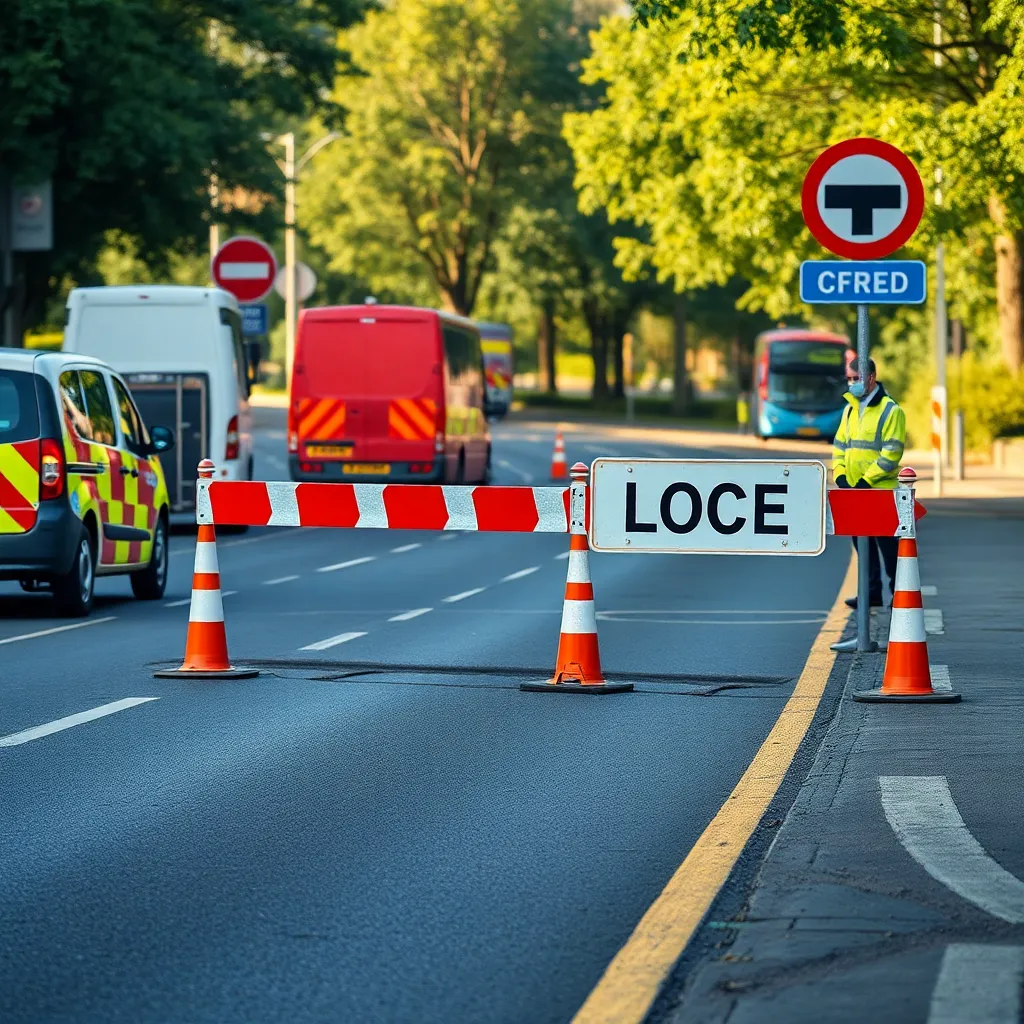
Guildford A3 Closure: Emergency Road Defect Repairs
The need for emergency road repairs, as highlighted by the upcoming closure of the A3 in Guildford this week due to a significant “road surface defect,” underscores the critical importance of maintaining our transportation infrastructure. Road surface defects encompass a range of issues, from minor cracks and potholes to more severe structural failures like uneven surfaces or delamination, all of which compromise the road’s integrity and pose substantial risks to motorists. These imperfections are not merely aesthetic concerns but fundamental threats to road safety and efficiency, necessitating prompt and decisive action by highway authorities.

The benefits of undertaking such emergency repairs are multifaceted and far-reaching. Primarily, addressing defects immediately prevents accidents by eliminating hazards that can cause tyre damage, loss of vehicle control, or sudden braking, thereby safeguarding human lives. Furthermore, timely repairs extend the lifespan of the road infrastructure itself, preventing minor issues from escalating into major, more costly reconstructions. This proactive approach ensures smoother traffic flow, reduces vehicle wear and tear for drivers, and maintains the economic vitality of regions by ensuring reliable transport links. Ignoring these defects can lead to cumulative damage, where water ingress and continued traffic stress rapidly degrade the road, making future repairs more extensive, expensive, and disruptive.
Conversely, the risks associated with neglecting road surface defects are considerable. Unrepaired potholes and cracks can lead to serious vehicle damage, including bent rims, punctured tires, and suspension issues, resulting in significant financial burdens for drivers. More critically, these defects are a major contributing factor to road accidents, especially for motorcyclists and cyclists who are particularly vulnerable to uneven surfaces. Beyond direct safety concerns, neglected roads can cause traffic congestion as drivers swerve to avoid hazards, leading to increased travel times and fuel consumption. The continued deterioration also means that when repairs eventually become unavoidable, they will require longer road closures and more substantial financial investment, impacting public convenience and local economies far more severely than planned, emergency interventions.
Therefore, although road closures like the A3 in Guildford cause temporary inconvenience, they are an essential measure for public safety and the long-term health of our vital road networks. Such emergency interventions, triggered by specific ‘road surface defects,’ exemplify a commitment to infrastructure resilience and the well-being of all road users, ensuring that critical routes remain safe and functional for years to come.
(Source: https://www.getsurrey.co.uk/news/surrey-news/a3-guildford-close-week-due-32823247)