Exploring Surrey’s Least-Used Rail Hubs and Passenger Disparity
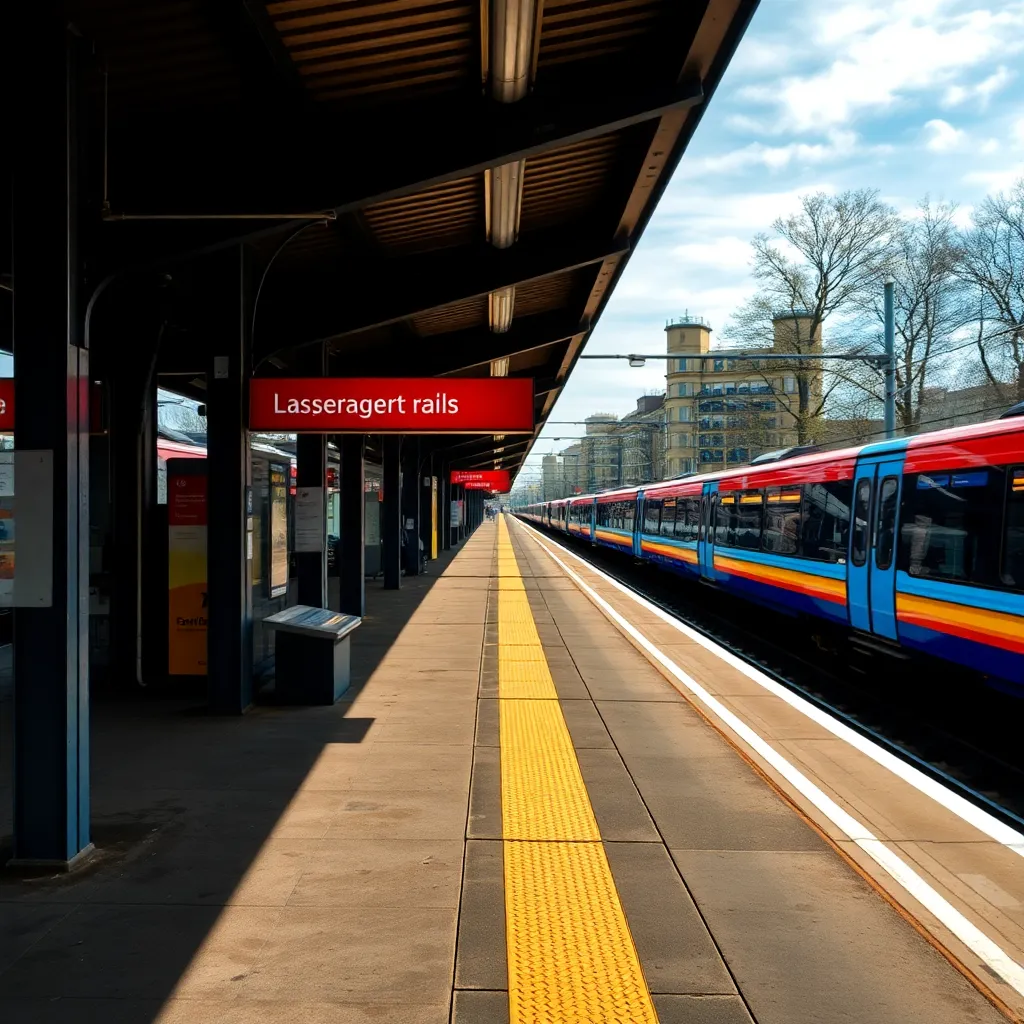
The landscape of train travel in Surrey reveals a significant disparity in passenger numbers, creating a “huge gulf” between the region's busiest and quietest stations. At one end of this spectrum lies Surrey's quietest train station, which reportedly serves fewer than 40 passengers per day. This remarkably low patronage highlights a unique aspect of the local rail network, where some stations function more as essential, albeit underused, community links rather than bustling transport hubs.

Defining a ‘quiet station' primarily involves its daily passenger throughput, with the Surrey example epitomizing extreme low usage. The reasons behind such minimal activity are varied, potentially including remote geographical locations, sparse local populations, limited connecting bus services, or infrequent train schedules that deter regular commuters. For the few passengers who utilize these stations, benefits might include unparalleled peace, easy access, and a sense of exclusive travel. However, the lack of amenities like waiting rooms, cafes, or even staff can be a drawback, and the isolation might raise safety concerns during off-peak hours.
From a broader perspective, the existence of such quiet stations presents both operational challenges and societal considerations. While they ensure that even isolated communities retain a connection to the national rail network, the economic viability of maintaining infrastructure for so few users is often debated. Operators face the ongoing costs of upkeep, signaling, and security against minimal fare revenue. This stark contrast with high-traffic stations underscores the complex balance between commercial efficiency and public service provision within the rail industry, making the “huge gulf” in passenger numbers a defining characteristic of the network's varied operational demands.
(Source: https://www.getsurrey.co.uk/news/surrey-news/surreys-quietest-train-station-less-33008764)