Chilworth Safety Plan: New Crossings and 20mph Zone
Why Chilworth’s Streets Need Urgent Attention
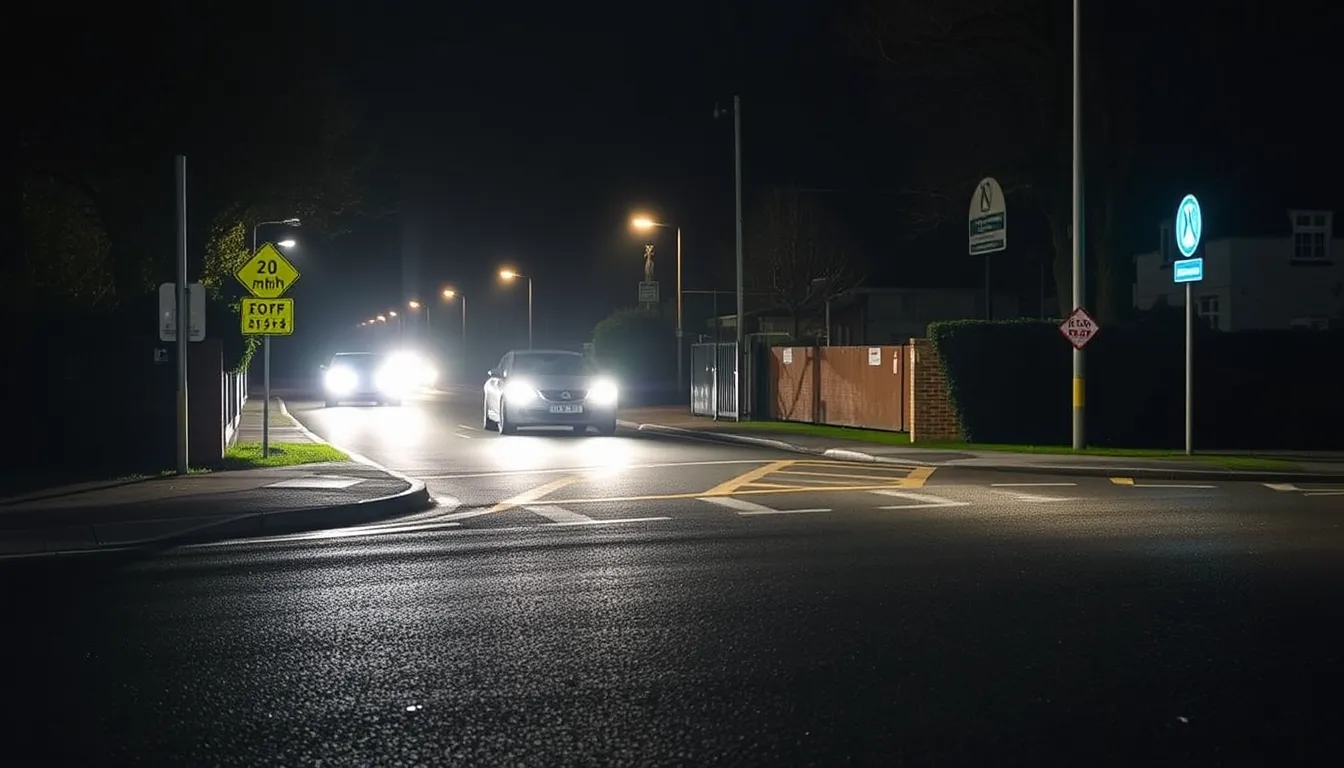
Chilworth village faces a genuine traffic crisis that’s putting our youngest residents at risk every single day. New Road has become an unofficial rat run, with drivers cutting through residential areas to avoid congestion elsewhere, creating what many parents describe as a genuinely frightening environment at school gates. Geoff Hitchcock, the dedicated crossing patrol officer at Tillingbourne Junior School, has witnessed the chaos firsthand—the volume of traffic is relentless, particularly during morning and afternoon rushes. His concerns extend beyond scheduled crossing times; children attending after-school clubs and extracurricular activities face dangerous conditions when his official duties end. The village hall and local community spaces also experience spillover effects from this traffic problem, affecting residents’ quality of life and community cohesion. Surrey County Council’s recognition of this issue reflects months of complaints from parents, teachers, and residents who’ve documented near-misses and hazardous conditions. The proposed interventions—a traffic-light controlled crossing at Tillingbourne Junior and an uncontrolled crossing at Chilworth Infant School—represent the council’s attempt to finally address what’s become unsustainable. Whether these measures go far enough remains to be seen, but they signal the authority is taking resident safety concerns seriously.

What’s Being Proposed and What It Means for Local Residents
Surrey County Council’s three-part safety package targets the heart of the problem affecting daily life in Chilworth. A signalled pedestrian crossing outside Tillingbourne Junior School would provide the first properly protected crossing point on New Road—a crucial upgrade that parents have been requesting for years. Alongside this, an uncontrolled crossing near Chilworth Infant School offers basic crossing infrastructure, though some safety advocates argue it doesn’t go far enough. The 20mph speed limit throughout the village represents the broader traffic-calming philosophy, supported by transport safety research showing reduced severity in collisions when speeds are lower. Additional calming measures—potentially including traffic tables, improved sightlines, and junction modifications—would complement the speed restriction. For local businesses like the traditional high street shops and services, lower speeds might initially seem counterintuitive, but improved pedestrian safety typically increases footfall. Guilford builders and contractors operating in the area may see temporary disruption during implementation. Residents considering loft conversion or loft refurbishment projects should note that construction timelines might coordinate with these street-level works. The cumulative effect aims to transform Chilworth from a through-route into a genuinely safe residential village, though implementation details will depend on public feedback shaping the final design.
Your Voice Matters: How to Engage with the Consultation
This isn’t merely a bureaucratic formality—Surrey County Council genuinely wants your input, and the consultation period represents a genuine opportunity to shape what actually happens on your streets. The council explicitly states that public feedback influences design decisions, meaning well-articulated concerns can lead to meaningful changes. The face-to-face drop-in event at Chilworth village hall on October 28 offers the ideal setting to ask detailed questions directly to council representatives, discuss specific safety concerns unique to your street, and understand implementation timelines. Whether you’re a parent worried about your child’s walk to school, a business owner concerned about customer access, or simply a resident navigating these roads daily, your perspective matters. Written submissions also carry equal weight; the council accepts feedback until November 13, giving you nearly a month to formulate thoughtful responses. Contact details and submission methods are available through Surrey County Council’s consultation portal. Consider documenting specific incidents—near-misses, accidents, or hazardous moments—as concrete evidence strengthens community voices. Local schools, the parish council, and established community groups are also likely submitting formal responses; connecting with these organizations amplifies individual concerns. Stay engaged beyond submission: follow up on implementation timelines, attend any follow-up consultation events, and hold the council accountable to delivering what’s promised. Real change happens when communities actively participate.
Source: Surrey council mulls school safety scheme amid ‘horrendous’ traffic