
Guildford Rejects Clean Air Zone to Protect Local Economy
A Relief for Local Drivers and Town Centre Businesses
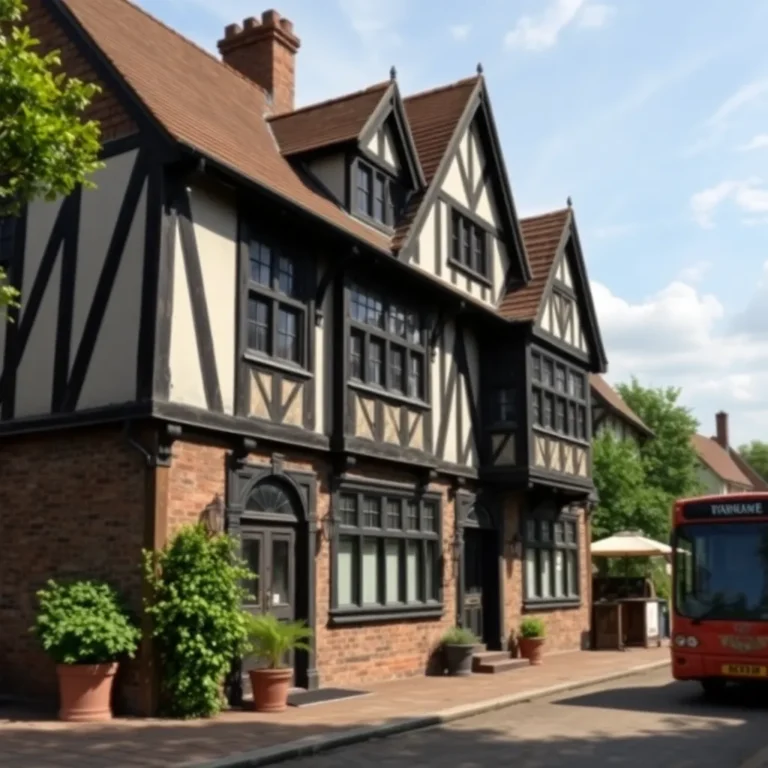
Guildford Borough Council has officially rejected proposals to introduce a Clean Air Zone (CAZ) in our historic town centre. The decision, made during a recent cabinet meeting, comes after a detailed feasibility study revealed that the financial burden on local families and businesses would far outweigh the environmental benefits. While busy corridors like Bridge Street and the town’s gyratory system continue to experience high levels of peak-time traffic, councillors agreed that charging drivers to enter the heart of Guildford was not the right path forward. For independent retailers along the cobbled High Street and the mobile tradespeople who keep our community running, this announcement brings a collective sigh of relief. Many feared that a scheme similar to London’s Ultra Low Emission Zone would deter shoppers and penalize working families who rely on their vehicles. Instead of implementing a blanket charging zone, the local authority will now focus on targeted interventions at specific pollution hotspots. This approach aims to clean up our local environment without placing an unfair economic burden on residents.
Protecting Local Trades and Home Renovation Projects
The decision to scrap the charging zone is particularly welcome news for Guilford builders and independent contractors who rely on commercial vans to transport tools and materials. Under the proposed clean air restrictions, local tradespeople would have faced steep daily fees simply to access residential streets near the town centre. This would have directly increased the cost of essential home improvement projects in nearby neighbourhoods like Merrow and Onslow Village. For instance, a family planning a loft conversion or a comprehensive loft refurbishment would have seen their project estimates climb significantly. A typical loft conversion requires dozens of deliveries and specialized tradespeople visiting the site over several weeks. Had a daily charging zone been active, those cumulative transport fees would inevitably have been passed on to the homeowners. By avoiding these penalties, local contractors can continue to offer competitive rates, keeping the local construction sector moving and allowing residents to upgrade their homes through high-quality loft refurbishment projects without facing hidden extra charges.
What Lies Ahead for Guildford’s Air Quality Strategy
While the charging zone is off the table, Guildford is not giving up on its environmental responsibilities. Over the next six months, council officials will draw up a revised draft Air Quality Action Plan to present to the Department for Environment, Food and Rural Affairs (DEFRA). This updated strategy will focus heavily on boosting public transport links, upgrading cycling infrastructure, and encouraging eco-friendly travel alternatives across the borough. Local residents are encouraged to stay active in this process as the new plans take shape. Community groups will have opportunities to voice their opinions on upcoming traffic management trials and potential pedestrianization schemes in the town centre. We must monitor how the council balances economic vitality with its commitment to public health. To stay informed and participate in the upcoming public consultations, residents should keep an eye on council updates and share their feedback with ward councillors to help shape a greener, more accessible Guildford.
Source: Plans for clean air zone in Guildford town centre rejected