Horses on Tracks Halt SWR Trains: Safety & Disruption Impact
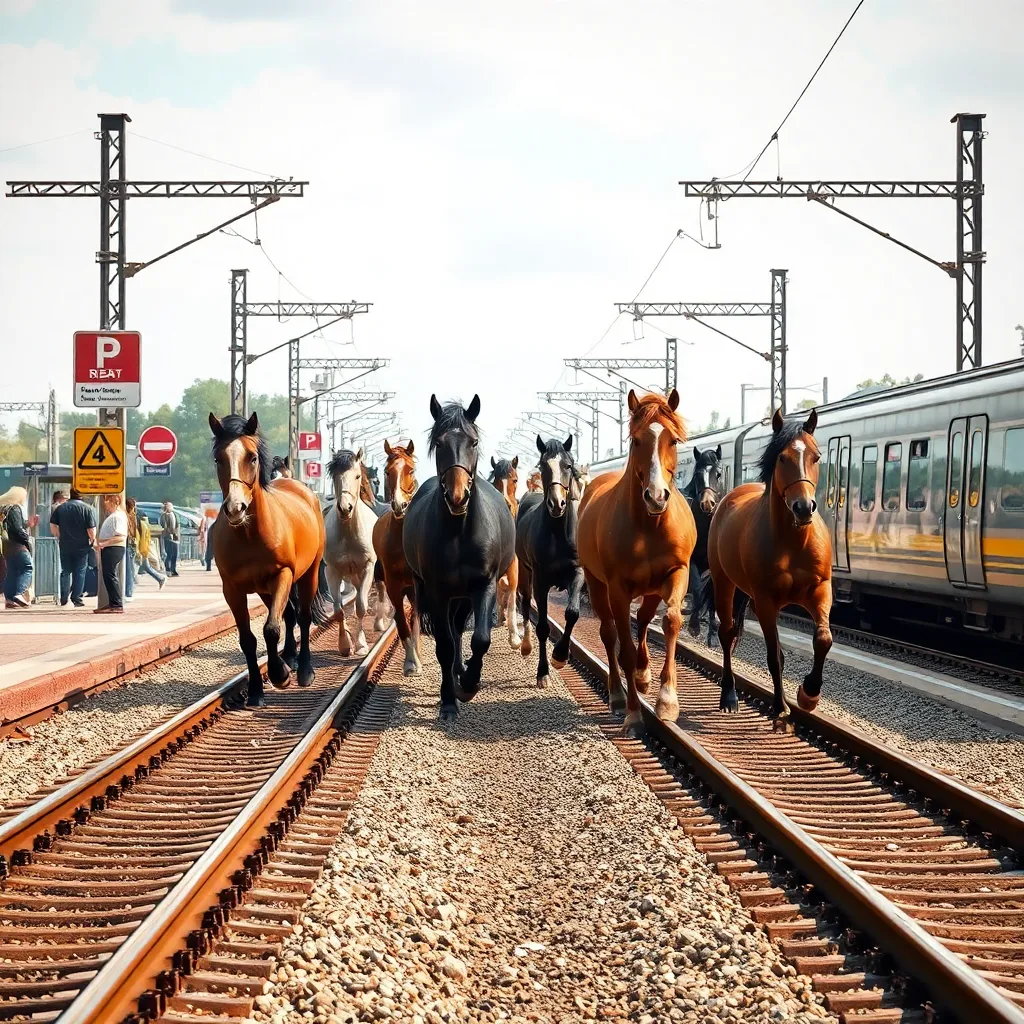
The South Western Railway (SWR) network experienced significant and widespread disruption following an unusual and critical incident involving horses trespassing on the railway line between Guildford and Woking. This unforeseen event led to all train services in the affected area being brought to a complete halt for several hours, causing considerable inconvenience and highlighting the complex challenges faced by railway operators in maintaining both safety and operational efficiency. The presence of large animals like horses on active tracks poses an immediate and severe safety risk, not only to the animals themselves but, crucially, to passengers and train crew, with the potential for catastrophic derailments or collisions that could result in serious injury or loss of life.

Such incidents, while thankfully not daily occurrences, underscore systemic vulnerabilities in railway infrastructure, particularly concerning the integrity of fencing and the effectiveness of animal control measures in rural or semi-rural areas adjacent to railway lines. The immediate “definition” of this event falls under “line blockage due to animal trespass,” which automatically triggers a series of emergency protocols. While not explicitly detailed, the “benefits” of a well-drilled rapid response, which would have been deployed by Network Rail and SWR, involve preventing actual accidents, ensuring the immediate safety of all individuals involved, and minimizing the overall duration of service interruptions through coordinated efforts. These efforts typically include the safe removal of the animals, thorough inspection of the track for any potential damage, and the subsequent meticulous process of restoring services.
However, the “risks” associated with such prolonged disruptions are substantial and far-reaching. Beyond the immediate safety concerns, there are considerable economic and logistical impacts. Thousands of passengers face lengthy delays, missed connections, and potential financial losses due to disrupted travel plans for work, appointments, or leisure. SWR, as the operator, incurs significant costs related to compensation for delayed passengers, operational adjustments like rerouting or replacement transport, and substantial revenue loss. This incident serves as a stark “example” of how unforeseen external factors can severely cripple essential public transport infrastructure, affecting thousands of daily commuters and freight movements. The long-term implications necessitate ongoing investment in robust perimeter security, public awareness campaigns for livestock owners, and swift, effective response mechanisms to manage similar animal-related track incursions, ensuring both public safety and the continued reliability of vital railway services.
(Source: https://www.getsurrey.co.uk/news/surrey-news/swr-trains-stopped-between-guildford-32831904)