
Woking’s Vanishing Nightlife: What Young People Are Losing
Where Did Woking’s Nightlife Go?
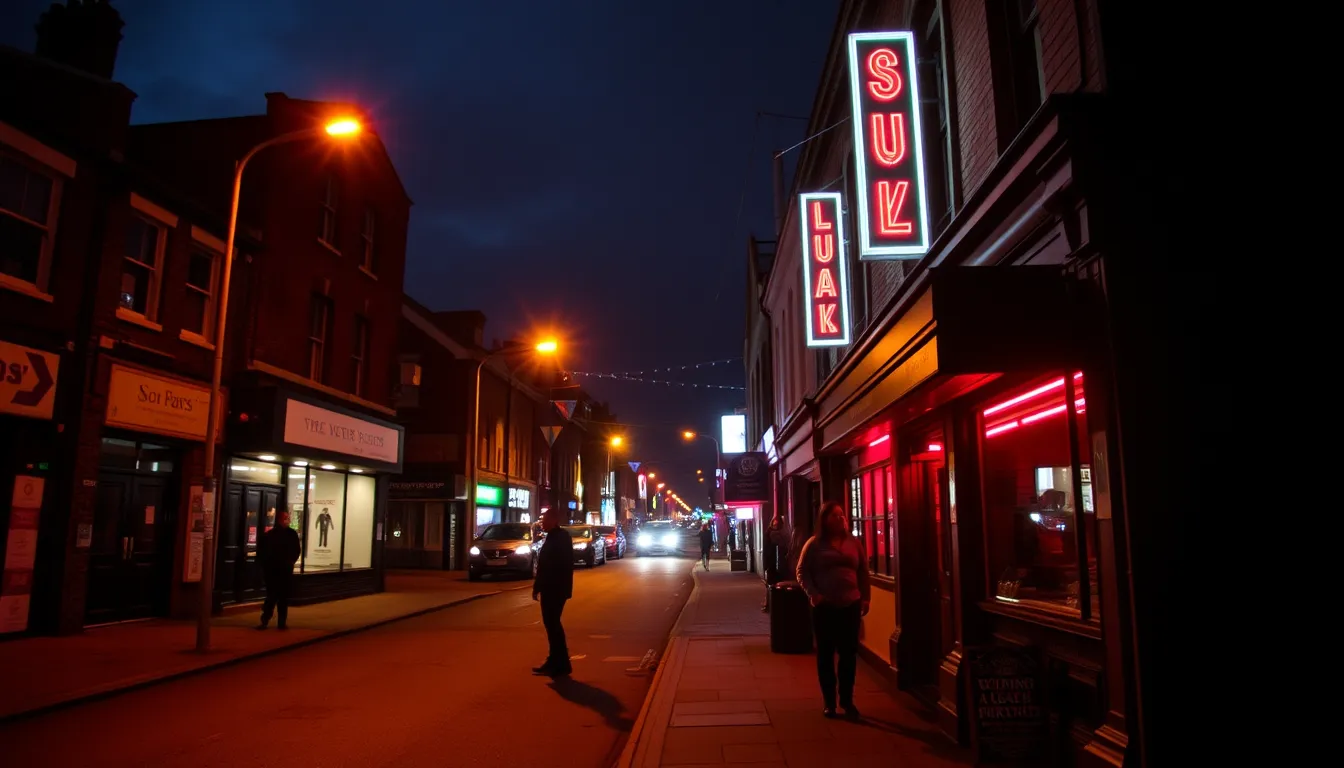
Walk through Woking town centre on a Friday night, and you’ll notice something striking: the absence of traditional nightclubs that once defined the area’s social scene. Where vibrant late-night venues once thrived, there’s now silence after midnight. Twenty-three-year-old Henry Gannon, who’s watched this transformation unfold in his hometown, describes it simply: “Communal areas just seem to have vanished.”

Woking isn’t alone. Across the UK, a quarter of towns have lost all their nightclubs entirely, according to the Night Time Industries Association. One in six British towns now have zero late-night venues. These aren’t just statistics—they represent a fundamental shift in how young people can socialise and gather in their own communities.
The impact feels particularly stark when you’re in your twenties with limited disposable income. Gannon points out the limited alternatives: “There isn’t really anything to do for younger people who often don’t have much expendable income. It’s either Wetherspoons, sitting in the park or getting a prohibitively expensive taxi back from another town.”
For many locals, this represents a loss of identity and opportunity—spaces where generations once made memories are simply gone, replaced by empty storefronts or commercial developments unrelated to community gathering.
The Ripple Effect: Economic and Social Costs
The closure of nightclubs doesn’t just affect Friday night fun—it reshapes entire local economies. When young people leave their towns to find nightlife elsewhere, they’re taking their spending elsewhere too. That’s money that could flow to taxi drivers, food vendors, bars, and other businesses that depend on evening foot traffic.
In Tonbridge, where the last dedicated nightclub shut several years ago, resident Adam observes the pattern clearly: “The lack of nightlife forces younger people to go elsewhere for a night out, which impacts the local economy. It is definitely a missed opportunity.”
But the challenge runs deeper than economics. These venues were more than entertainment—they were spaces where strangers became friends, where people felt part of something larger than themselves. As those spaces disappear, young people lose crucial social infrastructure during formative years.
However, not all shifts are negative. Some young adults are responding to the cost of living crisis by reducing alcohol consumption and seeking alternative social outlets. Gyms, fitness classes, and sober social events are attracting under-30s looking for community without the traditional nightclub model. This cultural shift reflects changing attitudes toward health and wellbeing, though it shouldn’t require the closure of clubs to happen. The real issue: young people deserve choice, whether that’s traditional nightlife or alternative socialising spaces.
Taking Action: What Communities Can Do
The good news? Young people and community organisers aren’t accepting defeat. In Chichester, West Sussex, twenty-two-year-old Finn Ashcroft recognised that while traditional nightclubs had closed, the town still had potential spaces for events. He launched C-Side Sounds and Strictly Grooves, using existing venues—from community halls to refurbished spaces—to host music and dancing events.
“Students were champing at the bit for somewhere to go,” Ashcroft explains. “We’ve definitely helped nurture nightlife within the city.” His approach shows that regenerating youth spaces doesn’t require massive new construction—sometimes it means repurposing existing buildings. This parallels the kind of creative thinking we see in local renovation projects, much like how Guilford builders and similar enterprises approach loft conversion and loft rebuilding—taking underused spaces and transforming them into vibrant community areas.
For residents wanting change, Ashcroft’s message is clear: speak up. “Be vocal about it,” he urges. “They have the power to [get] local councils and governing bodies to make sure there are spaces for people to make memories together.”
If you live in Woking, Tonbridge, or similar towns losing nightlife, consider: Could unused commercial spaces become community venues? What would young people actually use? Engaging your local council, supporting independent event organisers, and advocating for flexible licensing could help reclaim spaces for youth culture before it’s too late.
Source: Nightclubs are disappearing – and it’s affecting young people