
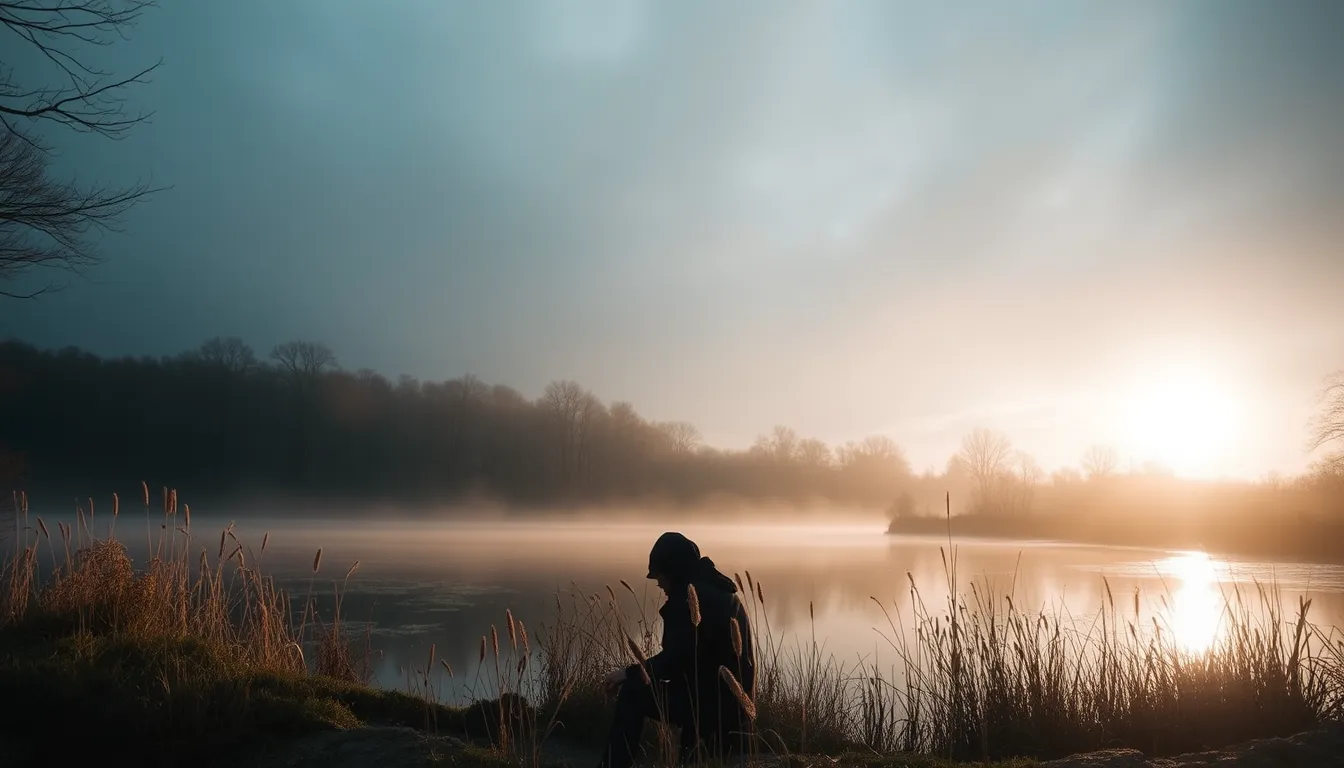
Wisley Common Pond Hits 17-Year Low as Drought Grips Surrey
A Landmark in Crisis: Understanding What’s Happening at Pond Farm
If you’ve visited Pond Farm on Wisley Common recently, you’ll have noticed something troubling—the water level is disappearing. Located adjacent to the renowned RHS Garden Wisley, this modest but ecologically vital pond now sits at its lowest point in 17 years, according to Surrey Wildlife Trust (SWT). The site, nestled on precious lowland heathland, has become a stark visual marker of the drought conditions gripping our region. James Herd, who directs reserves management for SWT and has monitored these wetlands for nearly two decades, describes witnessing unprecedented drying. With meteorologists at Wisley recording over 50 consecutive days without rainfall, the situation has become increasingly dire. This isn’t simply about water levels—it’s about the delicate ecosystem that depends on consistent moisture. The lowland heathland habitat here is rare, thriving only on acidic, nutrient-poor soils found in specific pockets across Surrey. For many local residents who’ve walked these paths for years, the visual transformation is shocking and deeply concerning.

Local Impact: What This Means for Wisley’s Wildlife and Community
The consequences of this unprecedented drought extend far beyond a single drying pond. Surrey Wildlife Trust and partner organisations like RHS Garden Wisley are witnessing visible signs of environmental distress throughout the common. Trees are shedding leaves prematurely—a self-protective mechanism triggered by extreme stress—creating an unsettling autumn-like appearance in mid-summer. Aquatic plants and insects dependent on stable water conditions face extinction pressures. Bird populations that rely on the pond for drinking and breeding are relocating. For the local community, this raises urgent questions about water management and climate resilience. Residents should know that this summer’s extreme conditions aren’t anomalies but indicators of shifting weather patterns. James Herd emphasises that the data clearly shows we’re experiencing more frequent extremes. The impact extends to local recreation too—many families enjoy walking the common and observing wildlife. Property owners nearby, including those considering renovations like loft conversion projects in surrounding villages, should understand how environmental planning affects community wellbeing and future development sustainability.
What Comes Next: Solutions and Action for Residents
Surrey Wildlife Trust is exploring innovative solutions to prepare our region for prolonged dry periods. One compelling proposal involves reintroducing beavers to Surrey—a species hunted to extinction approximately 400 years ago. Beavers are exceptional natural engineers, capable of creating water retention systems that naturally rewet landscapes. Herd suggests this approach harnesses nature’s own problem-solving abilities. Discussions with Natural England regarding beaver reintroduction licences are ongoing and showing promise. For local residents, there are immediate actions to consider. Support conservation efforts through SWT membership or volunteering. Implement water-wise gardening practices. Advocate for improved water infrastructure planning in our communities. Stay informed about environmental initiatives affecting Wisley Common and surrounding areas. Monitor announcements from Surrey Wildlife Trust regarding any beaver reintroduction projects. Connect with local community groups discussing climate adaptation. Consider how your property decisions—whether renovations or building projects—align with environmental sustainability. Guilford builders and construction firms increasingly incorporate sustainable practices into loft rebuilding and refurbishment work. The coming months will prove crucial in determining how effectively we respond to these environmental challenges.
Source: Pond Farm on Wisley Common at “lowest level” for 17 years