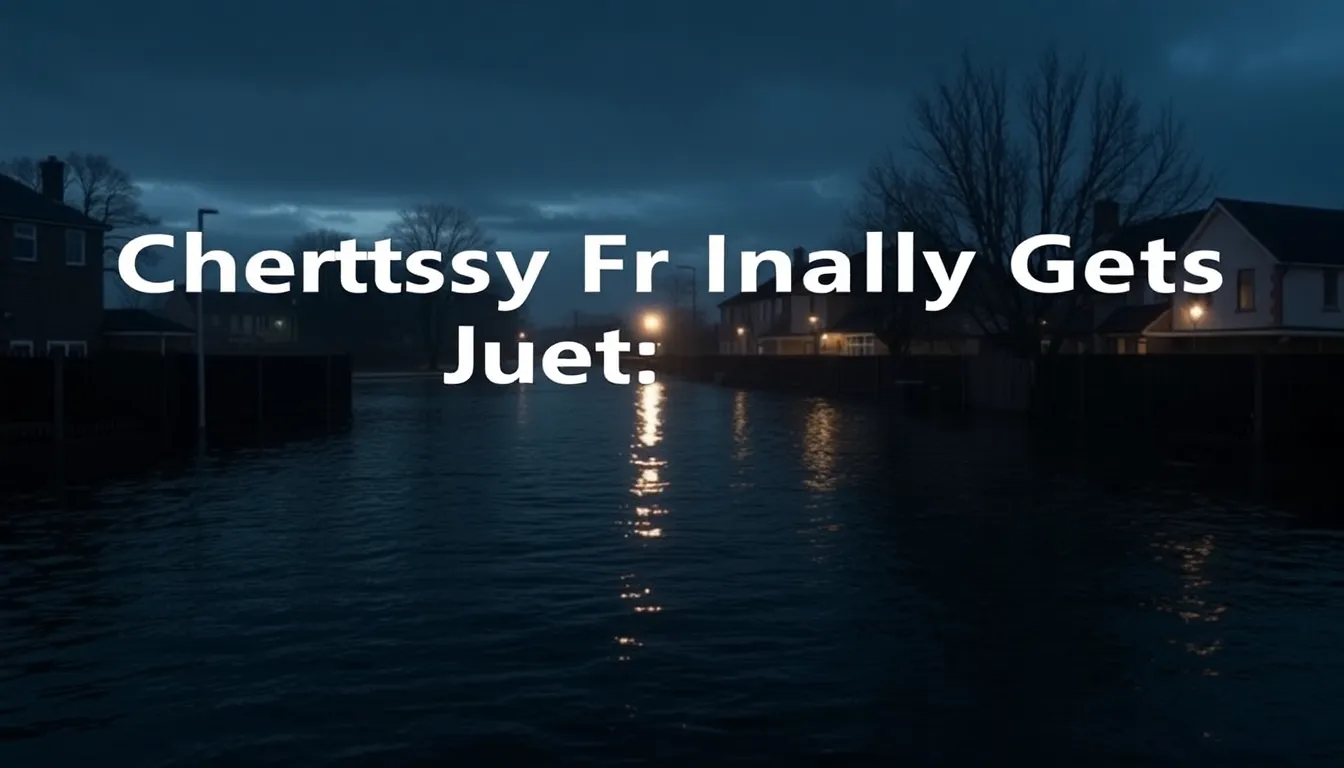
Chertsey Family Finally Gets Justice: Inquiry Into 2014 Flood Death
A Decade of Answers: Why This Matters to Chertsey
Residents across Chertsey have watched a local family’s ten-year battle unfold with a mixture of heartbreak and determination. In 2014, the River Thames burst its banks in our town, devastating homes and claiming the life of seven-year-old Zane Gbangbola. Now, after years of fighting for truth, his parents Nicole Lawler and Kye Gbangbola have finally secured a government-ordered inquiry into the circumstances surrounding his death.
For those of us living here, this case represents more than a personal tragedy—it raises critical questions about flood preparedness, contamination risks, and how public services respond when disaster strikes. The announcement of the non-statutory inquiry by Environment Secretary Emma Reynolds marks a turning point for a community that has felt let down by official processes. The original 2016 inquest concluded Zane died from carbon monoxide poisoning, but his parents disputed this finding, pointing instead to hazardous gases from a nearby former landfill site. Their refusal to accept the initial verdict without further investigation has now prompted this formal review, scheduled to begin this autumn.
Local Concerns About Landfill and Property Safety
What makes the Gbangbola family’s campaign particularly relevant to Chertsey homeowners is their focus on contaminated land and the risks it poses. Their initiative, known as Zane’s Law, calls for greater transparency about historical landfill sites and tipping operations in residential areas. This matters especially to those considering home improvements—whether it’s a loft conversion, loft refurbishment, or other structural work. Builders like those at Guilford builders have noted increased inquiries from homeowners wanting surveys and remedial assessments before undertaking loft rebuilding or renovation projects.
The campaign has already gained traction across the country, with London mayor Sadiq Khan and councils including Lewes, Brighton & Hove, and Adur backing Zane’s Law. Locally, residents are now more aware of the importance of checking historical land use before making property decisions. Environmental safety has become a genuine concern for Chertsey families, particularly those living near the areas affected by the 2014 floods. The inquiry will examine not just the cause of death, but also the response from public services and how the family was treated throughout the process—answers that could reshape how we protect vulnerable communities during emergencies.
What Happens Next and How You Can Stay Informed
Dr Sandie Okoro OBE will chair the inquiry, beginning this autumn after consulting with the Gbangbola family and key stakeholders on the terms of reference. Importantly, while the inquiry won’t determine Zane’s cause of death—that remains the coroner’s role—it will rigorously examine the circumstances, emergency response, and public service accountability. If new evidence emerges, the family can petition the attorney general for a fresh inquest.
Chertsey residents should know that this inquiry operates under a commitment to transparency, with all organisations and individuals expected to engage candidly. The government has indicated the upcoming Hillsborough Law, which imposes a duty of candour on public bodies, will apply to this investigation. For locals, this means keeping an eye on the inquiry’s findings and recommendations, which could influence flood prevention strategies, environmental safety protocols, and how councils handle future disasters. Follow the inquiry’s progress through official channels and community updates. If you live in flood-prone areas or are planning property work, now is a good time to review your own home’s vulnerability and engage with local safety resources. The Gbangbola family’s fight for justice may ultimately protect us all.
Source: Death of Zane Gbangbola in Chertsey floods to be subject of inquiry